
plate glass manufacturers
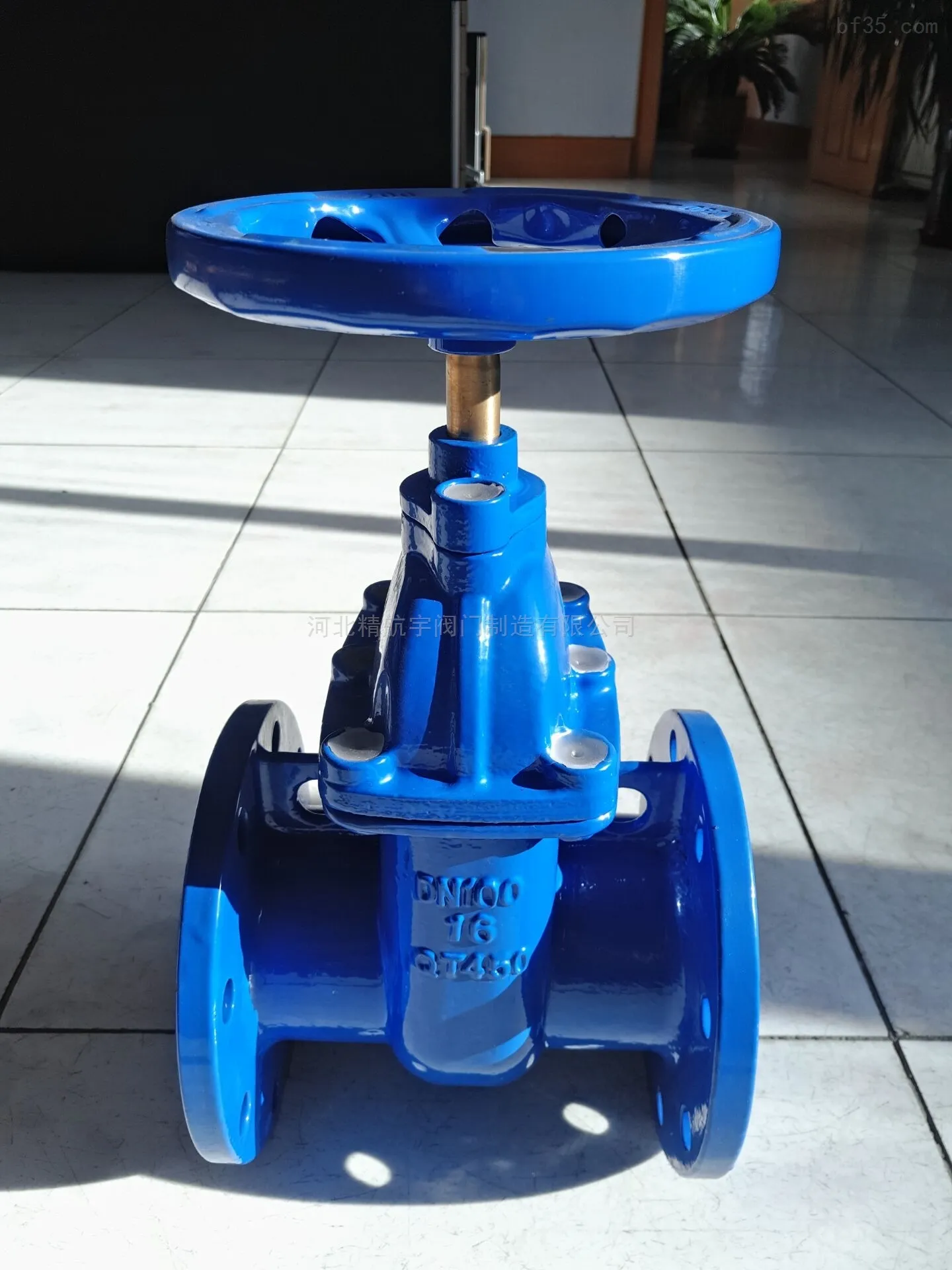
Replacing Water Cut-Off Valves A Comprehensive Guide Water cut-off valves are vital components in plumbing systems, allowing homeowners to control the flow of water to different areas of their property. Over time, these valves may wear out or become faulty, leading to leaks, decreased water pressure, or difficulties in shutting off the water supply during emergencies. Understanding how to replace these valves not only helps in maintaining the plumbing system but also empowers homeowners to take charge of their water management. Understanding Water Cut-Off Valves A water cut-off valve is designed to stop the flow of water when needed. It is typically located near fixtures like sinks, toilets, and appliances like washing machines. There are several types of cut-off valves, including ball valves, gate valves, and stop valves, each functioning slightly differently but serving the same essential purpose. Signs of a Failing Valve Recognizing the need to replace a water cut-off valve is crucial. Common signs include - Leaking Water pooling around the valve is a clear indicator that it may need replacement. - Difficulty Turning If the valve handle feels stiff or requires excessive force to turn, it may be worn out. - Rust or Corrosion Visible signs of rust can affect the functionality of the valve and indicate a need for replacement. Tools and Materials Needed Before starting the replacement process, gather the necessary tools and materials - Pipe wrench or adjustable wrench - Pipe cutter or hacksaw - New cut-off valve (ensure it matches the size of the old one) - Teflon tape or pipe joint compound - Bucket or towel (to catch any water) Steps for Replacing a Water Cut-Off Valve replacing water cut off valves 1. Turn Off the Main Water Supply Before making any changes, ensure the main water supply to your home is turned off to prevent flooding. 2. Drain the Faucet Open the faucet connected to the valve to drain any remaining water in the pipes. 3. Remove the Old Valve Using a wrench, carefully loosen the nuts or fittings holding the old valve in place. Be cautious, as water may still be present in the pipes. Once loose, remove the valve completely. 4. Prepare the New Valve Wrap Teflon tape around the threads of the new valve to ensure a watertight seal. This step is essential for preventing leaks. 5. Install the New Valve Attach the new valve to the plumbing, ensuring it aligns with the existing pipes. Tighten the fittings by hand, followed by a wrench to secure them, but avoid overtightening, which could damage the valve. 6. Turn the Water Supply Back On Once the new valve is installed, turn the main water supply back on and check for any leaks around the new valve. 7. Test the Valve Turn the new valve on and off to ensure it functions correctly. Look carefully for any signs of leakage during this process. Conclusion Replacing water cut-off valves can be a straightforward DIY task that saves money on plumbing services and ensures your home’s plumbing system functions effectively. By being aware of the signs that indicate a failing valve and following the above steps, homeowners can maintain better control over their water supply and avoid costly repairs in the future. Always remember safety first, and when in doubt, consult a professional plumber for assistance.
about
plate glass manufacturers
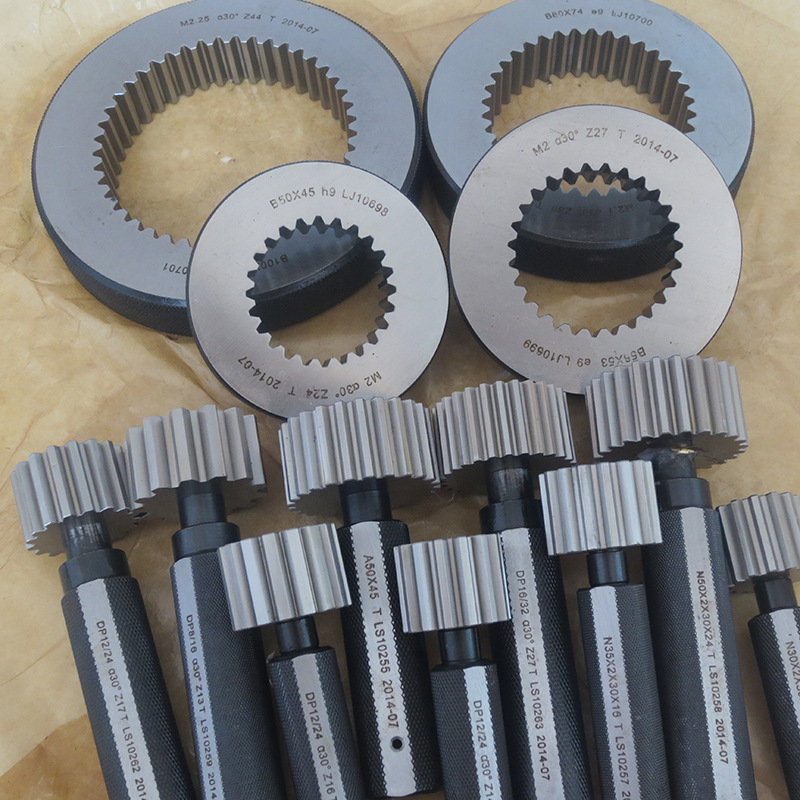
Understanding Standard Pin Gauges Purpose and Applications Standard pin gauges are essential precision tools widely used in various industries to measure the size of holes and other forms of workpieces. These gauges come in different sizes and are manufactured to meet precise dimensions, allowing for an accurate assessment of a component's size and fit. The depth of understanding the importance of pin gauges is crucial for engineers, machinists, and quality control personnel. What are Standard Pin Gauges? Standard pin gauges are cylindrical tools made from high-quality materials, typically hardened steel, to ensure durability and longevity. These pins are produced in a range of diameters that correspond to specific tolerances dictated by industry standards. Each pin gauge is designed to fit precisely into holes or feature openings of specific sizes, providing a reliable means of measurement. Purpose and Functionality The primary function of standard pin gauges is to verify the tolerance and dimensions of holes in manufactured parts. In applications where precision is paramount, the gauges play a critical role . They can be used for checking the size of an existing hole (acceptance testing) as well as for setting up machines that rely on exact specifications. Pin gauges help ensure that manufacturing processes yield parts that meet the required standards, needing less rework and reducing waste. The use of calibration standards also helps maintain the quality of these gauges. Manufacturers often adhere to specifications mandated by organizations such as ISO (International Organization for Standardization) and ANSI (American National Standards Institute), ensuring that the pin gauges provide universally understood measurements. standard pin gauge Applications Across Industries Standard pin gauges are utilized across various industries, including automotive, aerospace, and manufacturing. In the automotive sector, for instance, they are crucial for ensuring that components like engine cylinders and gear shafts are machined to exact tolerances. In the aerospace industry, pin gauges help verify the dimensions of critical components, ensuring the safe operation of aircraft. Additionally, standard pin gauges find applications in medical device manufacturing, where precision is critical for ensuring the functionality and safety of devices such as surgical instruments and diagnostic equipment. The widespread use of these gauges underscores their importance in maintaining high standards of quality and performance. Conclusion In conclusion, standard pin gauges serve as a vital tool in the arsenal of quality assurance practices. Their accuracy and reliability contribute significantly to the precision required in modern manufacturing processes. By facilitating the accurate measurement of hole dimensions, they support the production of high-quality components that adhere to stringent industry specifications. Understanding the intricacies of standard pin gauges is essential for professionals in engineering and manufacturing fields. As technology evolves and industries demand higher standards of precision, the role of pin gauges will undoubtedly continue to grow, simplifying quality control and enabling the production of flawlessly engineered parts.
-

High quality industrial productsagement

High quality industrial products
View Details -

Meet the diverse needs of customers

Meet the diverse needs of customers
View Details -

Strict quality control

Strict quality control
View Details -

Top raw materials

Top raw materials
View Details -

Trusted supplier

Trusted supplier
View Details
Our application



news and information
Various Types of Control Valves and Their Practical Applications in Industry
Control Valve Types and Applications Control valves are critical components in various industrial pr
Valvole a farfalla 18 - Soluzioni di regolazione e controllo fluidi
La valvola a farfalla del 18% è un componente fondamentale in molte applicazioni industriali, specia
vysoce kvalitní vodové hladiny
Vysoce kvalitní nivelace Klíč k dokonalosti v každé stavbě Když se zamýšlíme nad stavbou nebo jakýmk
 English